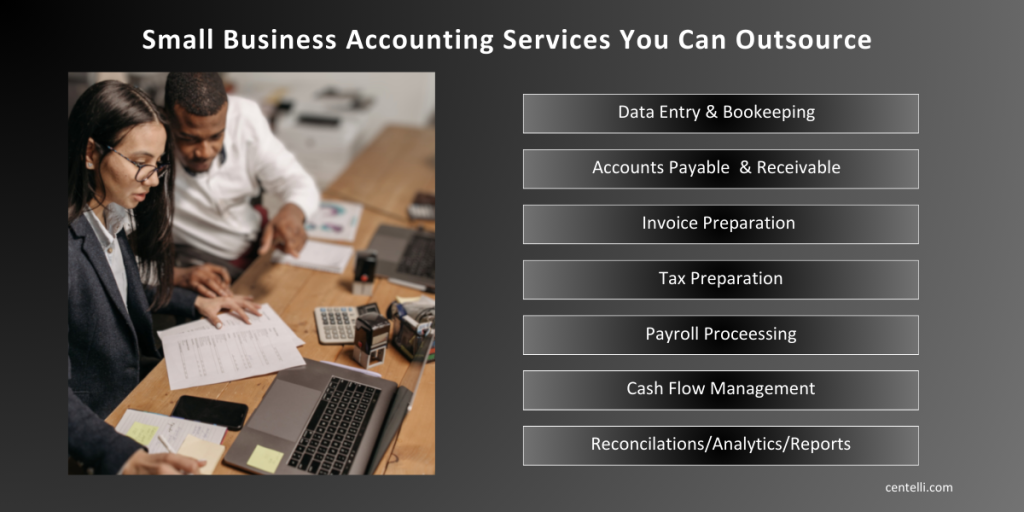
As businesses scale in 2026, managing finances has become more complex than ever. Rapid growth brings higher transaction volumes, tighter compliance requirements, and the need for real-time financial insights. For many growing businesses, maintaining a full in-house accounting team is costly and inefficient.
This is why outsourcing accounting services has emerged as a smart, strategic move—not just a cost-saving option, but a growth enabler.
Introduction:
Accounting Challenges for Growing Businesses
Growth is exciting, but it also brings challenges:
- Increasing bookkeeping workload
- Complex tax and compliance requirements
- Rising operational costs
- Limited access to financial expertise
In 2026, businesses need accurate, timely, and strategic financial management—without slowing down operations.
1. Cost Efficiency Without Compromising Quality

Hiring and maintaining an in-house accounting team involves:
- Salaries
- Benefits
- Training costs
- Accounting software investments
Outsourcing eliminates most of these overheads while giving businesses access to qualified accounting professionals at a fraction of the cost.
2. Access to Skilled Accounting Experts
Outsourced accounting firms employ specialists in:
- Bookkeeping
- Tax compliance
- Payroll management
- Financial reporting
- Regulatory compliance
Instead of depending on one or two internal resources, businesses gain access to a team of experts who stay updated with changing regulations and best practices.
3. Focus on Core Business Growth
Accounting is critical—but it’s not your core business.
By outsourcing:
- Founders focus on strategy and expansion
- Teams spend less time on paperwork
- Management makes faster, data-driven decisions
Outsourcing frees up valuable time and energy to focus on what truly drives growth.
4. Scalability That Matches Business Growth
In 2026, businesses scale quickly—and accounting needs change just as fast.
Outsourcing Allows You To:
- Increase or decrease services as needed
- Handle seasonal or rapid growth smoothly
- Avoid hiring during short-term spikes
Your accounting function grows only when you need it to.
5. Technology-Driven Accounting Solutions
Outsourced accounting firms use modern tools such as:
- Cloud-based accounting software
- Automated bookkeeping systems
- Real-time financial dashboards
- Secure document management
This gives businesses better visibility and control over finances without investing heavily in technology.
6. Improved Compliance and Reduced Risk
Regulatory requirements are becoming stricter in 2026.
Outsourced accounting ensures:
- Timely tax filings
- Accurate financial records
- Compliance with accounting standards
- Reduced risk of penalties and audits
Professional oversight significantly lowers compliance risks.
7. Data Security and Confidentiality
Financial data security is a top concern.
Reputable accounting outsourcing firms follow:
- Data encryption standards
- Secure cloud storage
- Role-based access controls
- Regular audits and backups
This often provides stronger security than in-house setups.
8. Strategic Financial Insights for Better Decisions

Outsourcing accounting is not just about numbers—it’s about insight.
Businesses gain:
- Clear cash flow analysis
- Profitability tracking
- Budgeting and forecasting
- Actionable financial reports
These insights help leaders make confident, informed decisions.
Conclusion:
Outsourcing as a Growth Strategy
In 2026, outsourcing accounting services is no longer a trend—it’s a strategic business decision. It offers cost savings, expertise, scalability, compliance, and clarity—all essential for sustainable growth.
By partnering with the right accounting service provider, businesses can build a strong financial foundation while focusing on expansion and innovation.
SEO Keywords to Target
Outsourcing accounting services 2026, accounting outsourcing benefits, cloud accounting solutions, bookkeeping outsourcing, financial management for growing businesses, outsourced accounting firms, SME accounting services