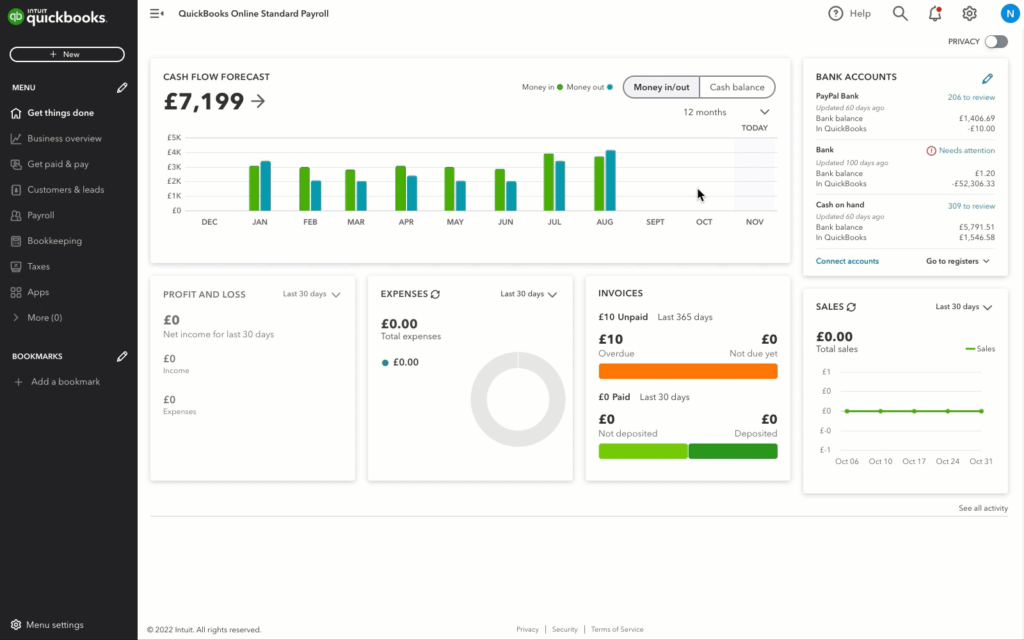
How to stay accurate, compliant, and stress-free in a rapidly changing payroll landscape

Introduction: Payroll in 2026 Is No Longer Just About Salary
Payroll used to be simple—calculate salaries, deduct taxes, and pay employees on time. But in 2026, payroll has evolved into a technology-driven, compliance-heavy business function.
With rapid regulatory updates, hybrid workforces, AI-powered payroll tools, and stricter data privacy laws, businesses face new payroll automation and compliance challenges. Companies that fail to adapt risk penalties, employee dissatisfaction, and operational inefficiencies.
This blog breaks down the key challenges businesses will face in 2026 and how to prepare—written in a clear, human, and practical way.
Why Payroll Automation Is Essential in 2026
Modern businesses are adopting payroll automation to:
- Reduce manual errors
- Save processing time
- Improve compliance accuracy
- Handle complex salary structures
- Support remote and global teams
However, automation alone is not enough. Without proper controls, compliance knowledge, and skilled oversight, automation can actually magnify mistakes.
1. Ever-Changing Payroll Compliance Regulations

One of the biggest payroll challenges in 2026 is keeping up with frequent regulatory changes.
What’s Changing?
- Tax slabs and contribution rates
- Minimum wage revisions
- Statutory benefits and leave policies
- Contractor vs employee classification rules
Key takeaway: Payroll automation must be backed by real-time compliance monitoring.
2. Multi-Location & Remote Workforce Complexity

Hybrid and remote work are now permanent. In 2026, many businesses manage employees across:
- Multiple states
- Different tax jurisdictions
- Domestic and international locations
Payroll Challenges Include:
- Different tax deductions
- Region-specific labor laws
- Local statutory contributions
Automation challenge: Systems must correctly apply location-based payroll rules for every employee.
3. Integration Issues Between Payroll, HR & Accounting
Payroll doesn’t work alone. It must integrate with:
- HR management systems
- Attendance & leave tools
- Accounting and finance software
Common Problems in 2026:
- Data mismatch between systems
- Delayed updates from HR to payroll
- Manual corrections even in automated setups
Result: Automation without integration still causes errors and delays.
4. Data Security & Payroll Privacy Risks
Payroll data includes:
- Bank details
- Salary information
- Personal identification numbers
In 2026, data protection laws are stricter than ever.
Businesses must ensure:
✔ Encrypted payroll systems
✔ Role-based access
✔ Regular security audits
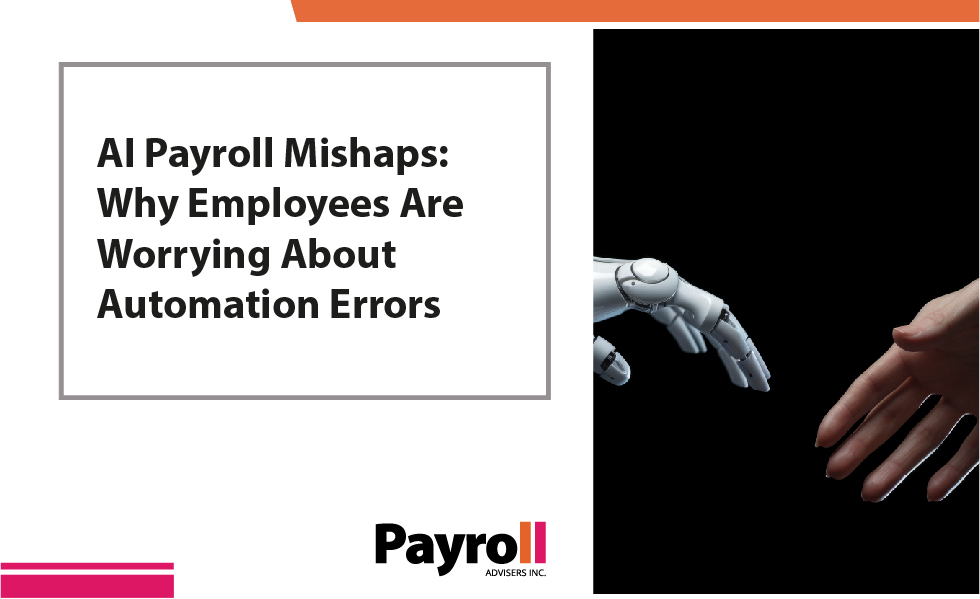
5. Over-Reliance on Automation Without Human Review
Automation improves efficiency—but it is not foolproof.
The Risk
- Incorrect configuration can repeat errors at scale
- AI-based calculations still need validation
- Exceptional cases (bonuses, arrears, exits) need manual review
Best practice in 2026:
Use automation as a support system, not a complete replacement for payroll expertise.
6. Employee Expectations & Real-Time Payroll Access :
Employees in 2026 expect:
- Transparent salary breakdowns
- Faster issue resolution
- On-demand access to pay slips and tax details
Payroll Challenge:
If automated systems are inaccurate or poorly configured, it directly impacts:
- Employee satisfaction
- Employer branding
- Retention rates
7. Skill Gaps in Payroll & Compliance Teams
Technology is advancing faster than skills.
Businesses Struggle With:
- Lack of payroll compliance expertise
- Limited understanding of automated tools
- Resistance to system changes
Technology is advancing faster than skills.
Businesses Struggle With:
- Lack of payroll compliance expertise
- Limited understanding of automated tools
- Resistance to system changes
Solution:
✔ Regular payroll training
✔ Compliance updates
✔ Expert advisory support
Final Thoughts:
Payroll in 2026 Is Strategic, Not Just Operational:
Payroll automation in 2026 is no longer optional—it’s essential. But success depends on how well automation and compliance work together.
Businesses that:
- Stay updated on regulations
- Balance technology with human expertise
- Prioritize data security
- Focus on employee experience
will be the ones that stay compliant, penalty-free, and future-ready.
SEO Keywords:
Payroll Automation 2026, Payroll Compliance Challenges, Future of Payroll, Payroll Technology Trends, Payroll Risk Management, Automated Payroll Systems, Payroll Compliance Solutions.