

Environment
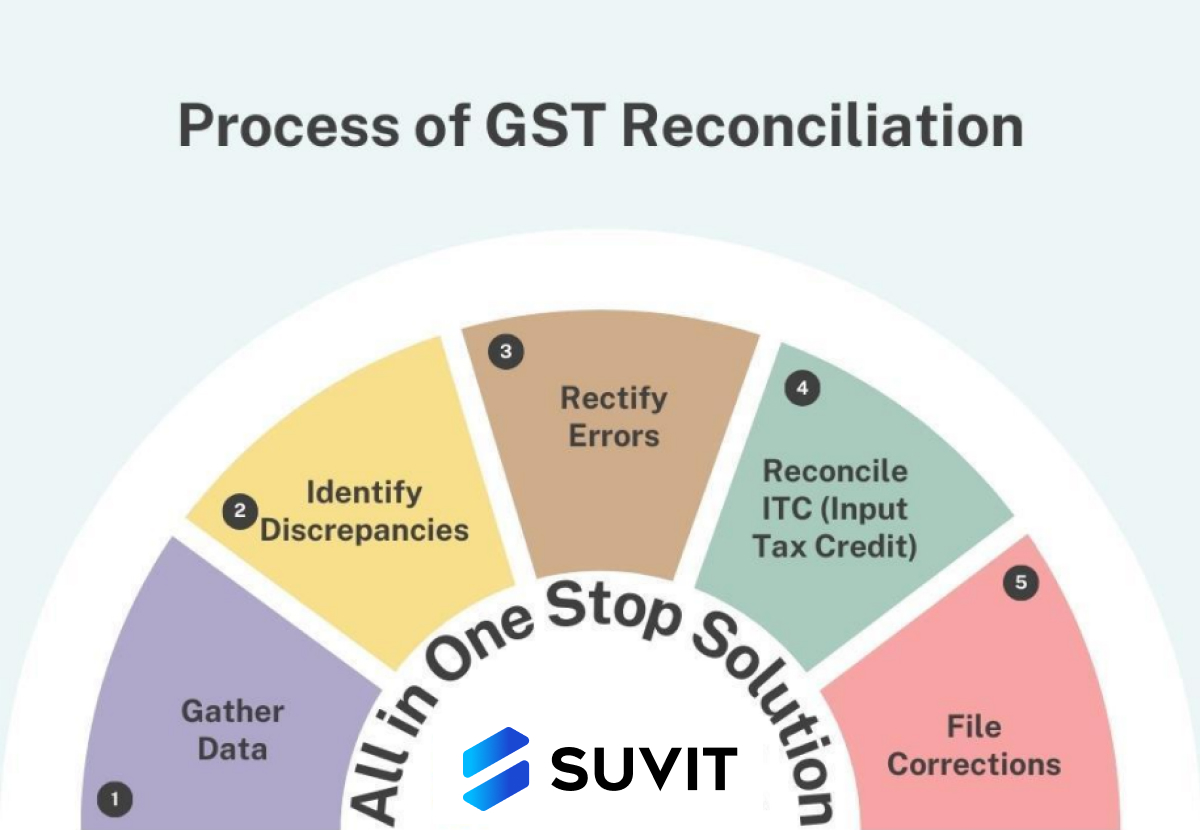
GST compliance today connects multiple components:
- Sales invoices
- Purchase invoices
- GST returns
- E-invoicing (where applicable)
- E-way bills
A mismatch in any one area can impact the entire compliance cycle.
1. Timely GST Return Filing Is Non-Negotiable
Late GST filing in 2026 comes with auto-calculated penalties and interest.
Key Returns to Watch
- Monthly / quarterly returns
- Annual GST returns
- Reconciliation statements
Why Timeliness Matters
- Avoid late fees and interest
- Prevent ITC blockage
- Maintain a clean compliance record
Setting reminders and using automation is now essential.
2. Input Tax Credit (ITC) Rules Are Stricter Than Ever

Claiming ITC incorrectly is one of the top reasons for GST notices.
What Businesses Must Ensure
- Supplier has filed their returns
- Invoices are correctly uploaded
- No mismatch in GSTIN, tax value, or tax rate
- Regular ITC reconciliation
In 2026, real-time ITC tracking is the safest approach.
3. E-Invoicing and Digital Documentation Expansion
Digital compliance is expanding rapidly.
What This Means for Businesses
- Wider adoption of e-invoicing
- Mandatory invoice standardization
- Real-time data sharing with GST systems
Maintaining error-free digital records is critical to avoid compliance issues.
4. Automated GST Systems Reduce Risk
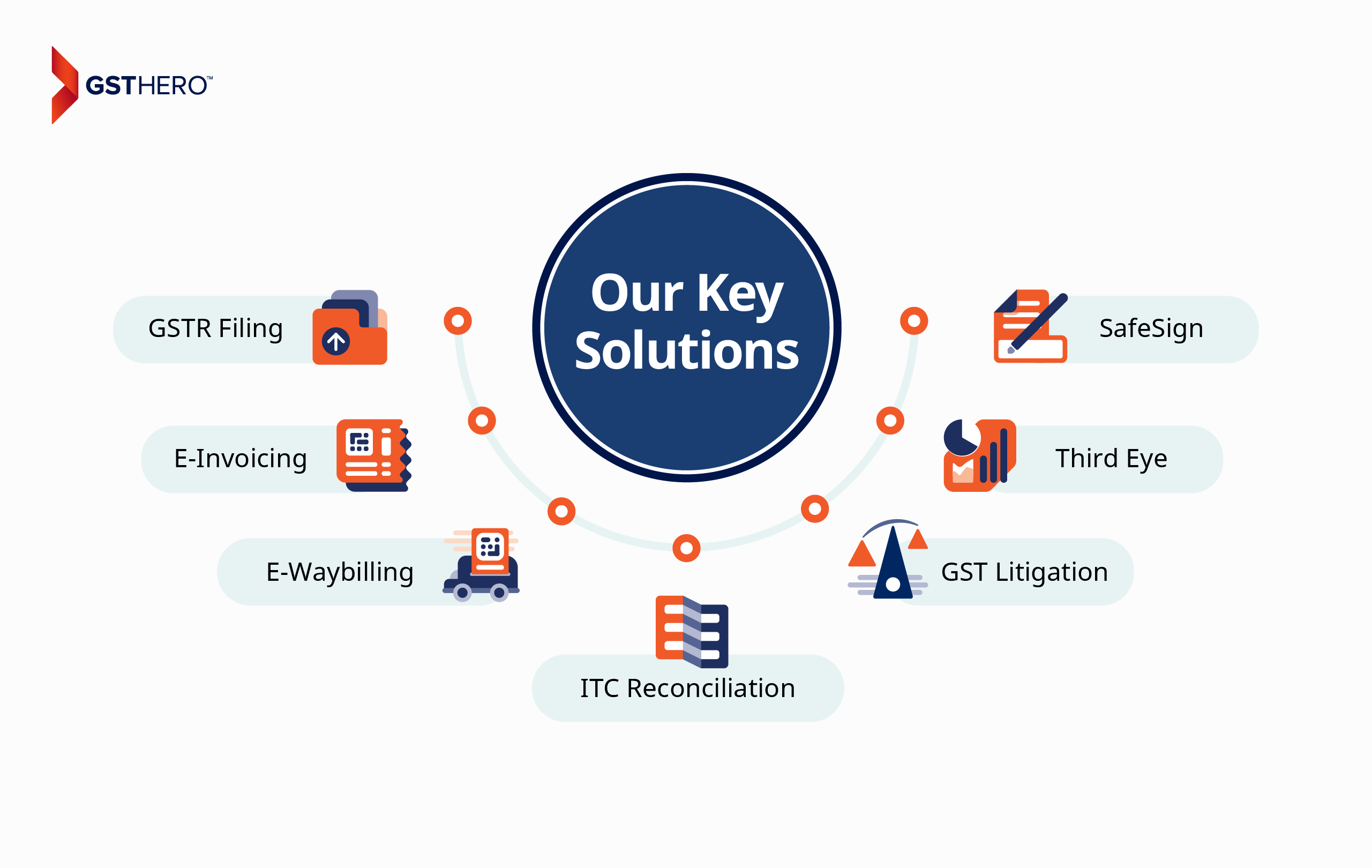
Manual GST management increases risk.
Benefits of GST Automation
- Accurate tax calculations
- Auto-generated returns
- Built-in compliance checks
- Reduced human errors
Automation ensures consistency, accuracy, and peace of mind in 2026.
5. Increased Scrutiny and GST Audits
GST audits are becoming more data-driven.
Common Triggers for Audits
- Frequent ITC mismatches
- Late or revised filings
- Inconsistent turnover reporting
- Poor documentation
Maintaining clean books and regular reconciliation reduces audit risk.
6. Strong Record-Keeping Is Mandatory
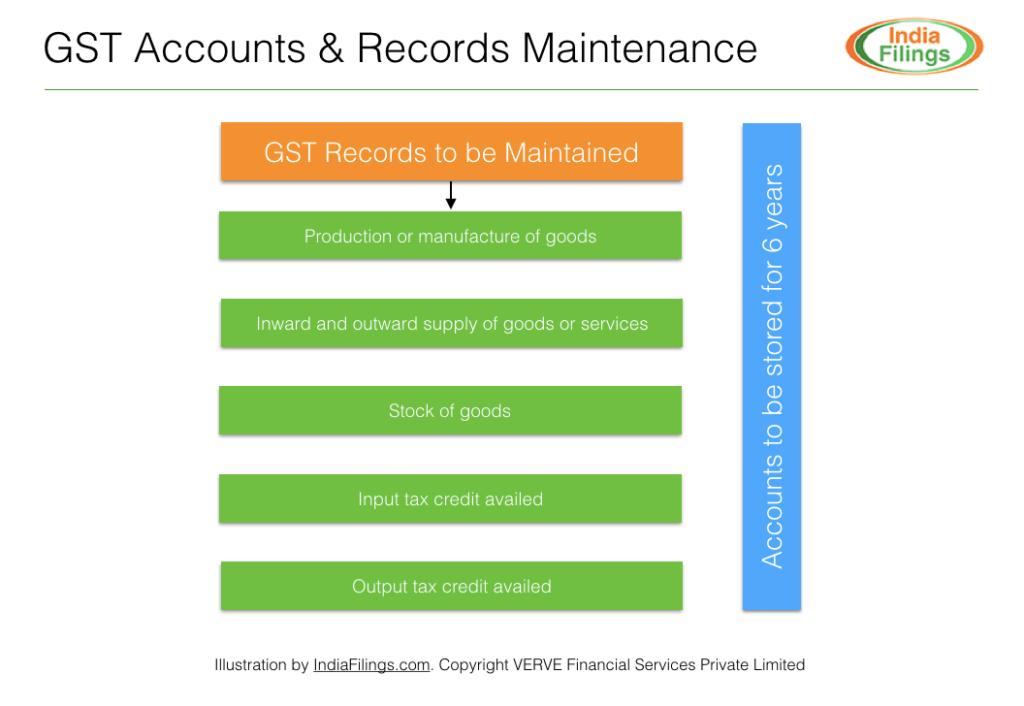

In 2026, businesses must maintain:
- Sales and purchase records
- Tax invoices and debit/credit notes
- Return filings and payment proofs
Digital record-keeping helps during audits and compliance checks.
7. GST Compliance for Growing & Multi-Location Businesses
As businesses expand, GST complexity increases.
Key Challenges
- Multiple GST registrations
- State-wise compliance
- Branch-level reporting
Centralized GST management systems help control compliance across locations.
8. Cybersecurity & GST Data Protection
GST data contains sensitive financial information.
Security Priorities
- Secure cloud accounting systems
- Restricted access controls
- Regular data backups
- Compliance with data protection standards
Protecting GST data is essential for trust and continuity.
How Businesses Can Stay GST-Compliant in 2026
Here’s a simple, practical checklist:
- File GST returns on time
- Reconcile ITC regularly
- Use GST-compliant software
- Maintain proper documentation
- Stay updated on GST rule changes
- Consult GST experts when needed
Proactive compliance saves time, money, and stress.
Conclusion: GST Compliance as a Business Advantage
In 2026, GST compliance is not just a legal requirement—it’s a business strength. Companies that adopt digital tools, maintain accurate records, and follow compliance best practices will operate smoothly and avoid penalties.
The key to staying penalty-free is planning ahead, using technology, and staying informed.
SEO Keywords to Target
GST compliance 2026, GST filing India, input tax credit rules, GST penalties, GST automation software, GST return filing, GST audit preparation, business GST compliance