

As we step into 2026, tax planning is no longer just an annual task—it has become a continuous, strategic business function closely connected with payroll management. With changing tax regulations, increased digital monitoring, and growing compliance requirements, businesses must adopt smarter tax strategies to stay competitive and avoid risks.
Introduction:
Why Tax Planning Matters More in 2026
Tax systems across the world are becoming more transparent, automated, and data-driven. Governments now rely on real-time payroll data, digital filings, and analytics to track compliance.
Businesses that integrate tax planning with payroll management gain better control, reduce risk, and improve profitability.
The Strong Link Between Payroll and Tax Planning
Payroll is the foundation of tax compliance. Every salary processed affects:
- Income tax
- Statutory deductions
- Employer contributions
- Government filings
When payroll systems are outdated, tax risks increase. In 2026, payroll and tax planning must work together, not separately.
1. Shift from Reactive to Proactive Tax Planning
Traditional tax planning focused on year-end adjustments. In 2026, this approach is risky.
What’s Changing?
- Continuous tax assessment throughout the year
- Monthly and quarterly tax optimization
- Real-time payroll tax adjustments
Benefits
- Fewer surprises at year-end
- Better cash flow management
- Lower chances of penalties
Smart businesses plan taxes before issues arise.
2. Automation Reduces Tax Errors and Compliance Risk
Manual tax calculations are one of the biggest risk factors in payroll.
How Automation Helps in 2026
- Accurate tax calculations based on latest rules
- Auto-deductions and statutory updates
- Error-free filings and reports
- Reduced dependency on manual spreadsheets
Automation ensures accuracy, consistency, and peace of mind.
3. Smarter Payroll Structuring for Tax Savings
Payroll structuring plays a major role in reducing tax liability—both for employers and employees.
Smart Payroll Structuring Includes:
- Optimized salary components
- Tax-efficient allowances and benefits
- Proper classification of reimbursements
- Compliance-friendly incentives
In 2026, businesses will focus on legal optimization, not shortcuts.
4. Data-Driven Tax Planning with Analytics
Advanced payroll and tax systems now provide actionable insights.
What Analytics Can Show:
- Tax expense trends
- High-risk compliance areas
- Payroll cost optimization opportunities
- Future tax liabilities
With data-backed decisions, businesses can maximize savings while staying compliant.
5. Stronger Focus on Regulatory Compliance
Tax laws evolve constantly. In 2026, compliance failures can quickly lead to audits and penalties.
Compliance Challenges:
- Frequent tax rule updates
- Multiple statutory filings
- Region-specific regulations
The Solution:
- Compliance-ready payroll systems
- Auto-updated tax rules
- Built-in alerts and reminders
Staying compliant is no longer optional—it’s essential for business continuity.
6. Employee-Centric Tax Transparency
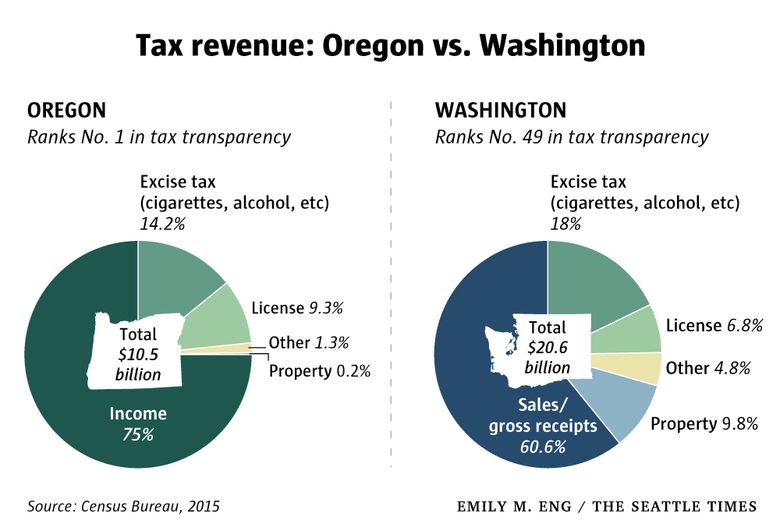
Employees today expect clarity and control over their taxes.
What Employees Want in 2026:
- Clear salary tax breakdowns
- Easy access to tax documents
- Self-service payroll portals
- Guidance on tax-saving options
Transparent payroll tax management builds trust, satisfaction, and retention.
7. Digital Tax Filing and Government Integration
Governments are rapidly adopting digital tax ecosystems.
What This Means for Businesses:
- Direct payroll-to-tax system integration
- Faster filings and acknowledgements
- Real-time mismatch detection
- Reduced manual intervention
Businesses must align payroll systems with digital tax platforms to stay compliant.
8. Cybersecurity and Payroll Tax Data Protection
Tax and payroll data are highly sensitive.
Security Priorities in 2026:
- Encrypted payroll and tax records
- Role-based access control
- Secure cloud storage
- Compliance with data protection regulations
Strong security protects businesses from financial loss and reputational damage.
How Businesses Can Prepare for Tax Planning in 2026
Here’s a simple, practical checklist:
- Upgrade payroll systems with tax automation
- Review salary structures for tax efficiency
- Monitor tax compliance regularly
- Use analytics for informed planning
- Partner with professional tax and payroll experts
Preparation today leads to lower risk and higher savings tomorrow.
Conclusion: Smart Tax Planning Is a Competitive Advantage
In 2026, tax planning is not just about saving money—it’s about risk management, compliance, and strategic growth. Businesses that integrate payroll with intelligent tax planning will operate smoothly, avoid penalties, and maximize financial efficiency.
The future belongs to businesses that plan smart, stay compliant, and use technology wisely.
SEO Keywords to Target
Tax planning 2026, payroll tax management, future of tax planning, payroll compliance, tax optimization strategies, automated tax systems, payroll and tax integration, business tax savings