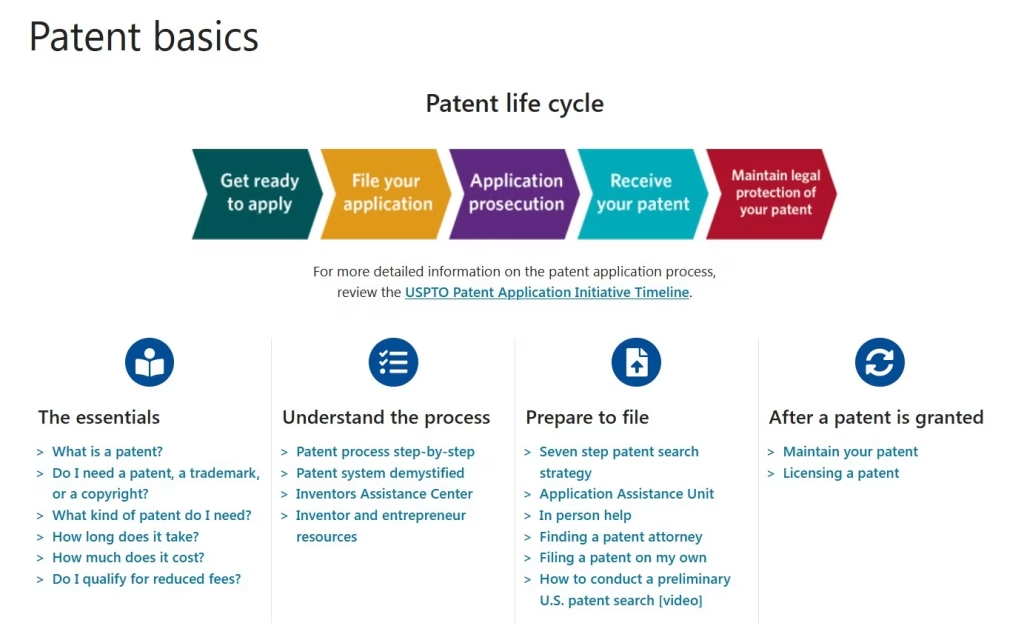
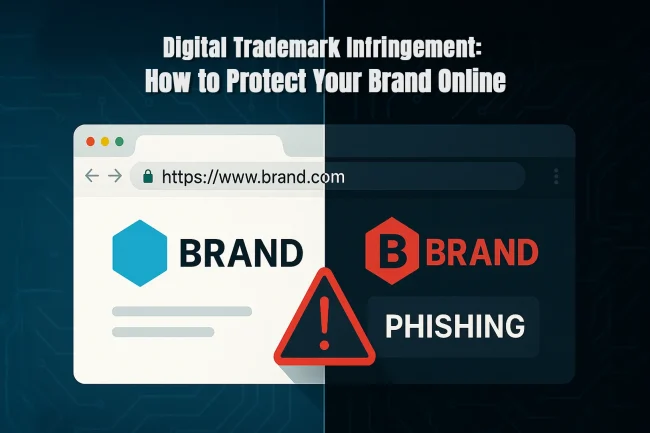
Safeguarding your brand identity in a fast-moving, digital-first business world

Introduction:
Your Brand Is Your Biggest Business Asset
In 2026, a brand is no longer just a logo or a name—it is reputation, trust, and market value combined. With businesses expanding online, entering new markets, and competing globally, trademark protection has become more critical than ever.
From startups to established enterprises, businesses are realizing that failing to protect a trademark can lead to brand theft, legal disputes, and revenue loss. This blog explains why trademark protection matters in 2026, the challenges businesses face, and how to secure your brand the smart way.
What Is a Trademark and Why It Matters
A trademark protects your:
- Business name
- Logo or symbol
- Tagline or slogan
- Product or service identity
It legally establishes ownership and prevents others from copying or misusing your brand.
In 2026, trademark protection is not optional—it’s a strategic business necessity.
Why Trademark Protection Is More Important in 2026:
1. Explosion of Online Businesses & Digital Brands
With e-commerce, social media selling, and digital startups booming, brand visibility has increased—but so has brand misuse.
Common risks include:
- Copycat business names
- Fake websites and social media pages
- Unauthorized product listings
A registered trademark gives you the legal authority to take action quickly.
2. Increased Brand Infringement & Counterfeiting

In 2026, counterfeit products and brand impersonation are growing challenges—especially in online marketplaces.
Without trademark protection, businesses face:
- Loss of revenue
- Damage to brand reputation
- Customer confusion
- Expensive legal battles
Trademark registration acts as a legal shield, helping you enforce your rights efficiently.
3. Stronger Legal Enforcement & Compliance Scrutiny
Governments and regulatory bodies are tightening intellectual property enforcement.
What This Means for Businesses:
- Registered trademarks receive stronger legal backing
- Unregistered brands struggle to prove ownership
- Investors and partners prefer trademark-protected businesses
In 2026, compliance and brand ownership go hand in hand
4. Trademarks Build Trust, Value & Competitive Advantage
A trademarked brand:
- Builds customer trust
- Enhances brand credibility
- Increases business valuation
- Strengthens market positioning
For startups and MSMEs, trademarks play a key role in:
- Funding and investor confidence
- Franchise and licensing opportunities
- Long-term scalability
5. Global Expansion Requires Trademark Security
Businesses expanding across borders in 2026 must ensure their brand is protected before entering new markets.
Early trademark registration saves time, money, and reputation.
Common Trademark Challenges Businesses Face in 2026
- Choosing non-distinct or generic brand names
- Delaying trademark registration
- Filing under incorrect classes
- Ignoring trademark renewals
- Failing to monitor brand misuse
These mistakes often lead to rejection, disputes, or loss of rights.
Final Thoughts:
Secure Your Brand Before the Market Does
Trademark protection in 2026 is about future-proofing your business. As competition increases and digital exposure grows, businesses that fail to secure their brand risk losing everything they build.
Whether you’re a startup, MSME, or established enterprise—brand security today ensures business success tomorrow.
SEO Keywords (Naturally Included)
Trademark Protection 2026, Brand Security, Trademark Registration, Intellectual Property Protection, Brand Infringement, Logo Trademark, Business Brand Protection